The Surprising Connection Between Niche Hobbies and Pop Culture Trends
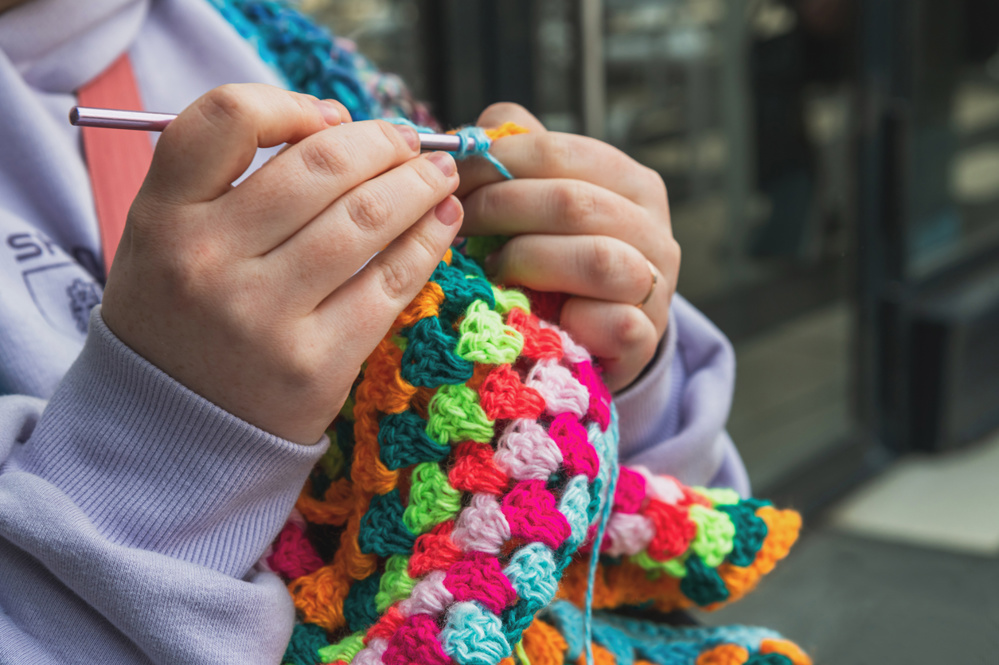
Niche hobbies don’t stay small for long—not in a digital culture built on sharing, remixing, and visibility. What begins as a tightly knit community around something specific—crocheting, HYROX competitions, or even “Hot Girl Walks”—can quickly evolve into a broader cultural conversation. The shift isn’t random. It follows a pattern shaped by identity, technology, and participation.
At the center of that pattern is a simple idea: people don’t just want content—they want belonging. Niche hobbies offer that first. Pop culture comes later.
Why Gen Z Stopped Believing in Mainstream Culture
Something shifted in Gen Z's relationship with mainstream culture—and it didn't happen overnight. You're watching a generation drowning in authenticity fatigue, exhausted by curated online lives that breed inadequacy rather than connection. With 77% of Gen Z feeling lonely at work and 35% reporting depression, the polished mainstream narrative simply stopped resonating.
Cultural skepticism runs deep here. When virtual interactions replace genuine depth with likes and emojis, you start questioning everything packaged as "real." COVID-19 accelerated this distrust, stripping away formative social experiences and pushing interactions into digital spaces that ultimately felt hollow.
Negative media exposure has doubled sadness and anger in headlines since 2000, making mainstream culture feel less like community and more like noise you can't escape. In fact, 68% of Gen Z and younger millennials report feeling stress a lot of the time, a persistent pressure that makes the promises of mainstream culture feel not just hollow but actively dishonest.

How Social Media Algorithms Make Niche Feel Normal
What once felt like a fringe interest now fills your entire feed—and that's no accident. Algorithms prioritize engagement over passive reach, so when niche content sparks comments and conversations, platforms push it further. That's algorithm normalization in action.
You're not just seeing more of what you like—you're seeing what others in aligned communities already engage with. TikTok's completion rates and watch-time metrics elevate niche videos, while Instagram rewards saves and DM prompts. Early engagement signals value, triggering self-reinforcing cycles that expand niche content's reach.
Niche amplification happens when micro-influencer collaborations and user-generated content add social proof, making specialized interests feel mainstream. Suddenly, your obscure hobby isn't fringe anymore—it's a thriving community that the algorithm keeps introducing to broader, like-minded audiences. Creators who build their presence around 3–5 content pillars keep their messaging consistent, which helps algorithms reliably surface their niche content to the right people over time.
Check out MrPopCulture.com and learn more about pop culture trends in Niche Hobbies.
The Niche Communities Quietly Becoming Gen Z's Primary Identity
Niche hobbies are no longer just activities—they’re becoming identity markers. Instead of defining themselves through broad categories like music genres or fashion styles, many people now align with smaller, more specific communities.
These communities are built on shared interests but reinforced through interaction. Inside jokes, recurring themes, and shared references create a sense of belonging that feels more personal than traditional cultural categories.
For example, communities around “booktok,” fitness subcultures, or even specific crafting styles don’t just share content—they share language. Phrases, aesthetics, and behaviors become recognizable signals that identify members of the group. This shift reflects a move away from mass identity toward micro-identities. Culture is no longer something you consume—it’s something you participate in.

How a Shared Hobby Becomes a Full-Scale Cultural Moment
For a niche hobby to break into pop culture, it needs more than visibility—it needs structure. Certain elements consistently appear when a hobby scales:
- Repeatable participation – Activities that people can easily replicate, like daily walks or simple crafts
- Recognizable format – Content that follows a pattern, making it easy to share and adapt
- Shared language – Terms or phrases that signal belonging
- Cross-platform presence – Movement between TikTok, Instagram, and other platforms
Take “Hot Girl Walks” as an example. The concept is simple: walking with intention while listening to music or podcasts. But it became cultural because it was easy to adopt, easy to share, and easy to understand. The key isn’t complexity—it’s repeatability.
Why Super Fans Move Culture Faster Than Mass Audiences
Mass audiences consume. Super fans convert. That's the fundamental difference driving today's passion economies. While casual listeners stream and scroll, super fans are out there spending 66% more on live music, buying physical albums at twice the average rate, and pulling strangers into communities where 63% form immediate connections.
They're not waiting for culture to arrive — they're building it through micro movements that spread organically before marketing budgets even activate. You see this in the numbers: super fans are 54% more likely to discover music first and share it across their networks. They reduce your marketing costs while amplifying your reach.
Gen Z superfans, especially, aren't just listeners — 65% feel deeply tied to fan communities, making them cultural accelerants no mass audience can replicate. Despite representing just a small slice of any audience, the impact of super fans on an artist's bottom line is disproportionate — super listeners account for over 18% of monthly streams while making up only around 2% of an artist's total monthly listeners.
How Gen Z Creators Turn Niche Followings Into Real Influence
Something significant happens when a Gen Z creator posts their first video about an obsession most people have never heard of — and 50,000 strangers immediately feel like they've found their people.
Creator authenticity drives this connection. You don't need millions of followers to build real influence. Here's how niche creators convert small audiences into genuine cultural power:
- Trust compounds quickly — 61% of Gen Z trust influencers, rewarding consistent, honest voices.
- Algorithms amplify relevance — TikTok pushes niche content toward highly engaged viewers.
- Micro collaborations expand reach — partnering with aligned creators multiplies loyal audiences.
- Thought leadership emerges naturally — Gen Z elevates niche creators into authorities on fashion, health, and media.
Your specific obsession isn't a limitation — it's your leverage. The influencer industry is valued at more than $250 billion globally, proving that niche passion, scaled with intention, carries serious economic weight.
Why Gen Z Gives Fierce Loyalty to Brands That Respect Niche Culture
When a brand genuinely understands your niche, you don't just buy from it — you defend it. Gen Z is 3.1 times more likely to promote brands that demonstrate authentic alignment with their values. That loyalty isn't accidental.
You're drawn to brands that respect micro rituals — the inside jokes, traditions, and unspoken rules that define your community. When brands honor those details, 55% of you regularly discuss them within your circles, and 36% actively advocate for them to others.
But disrespect cuts deep. Nearly 60% of Gen Z feel personally aligned with fellow brand users, meaning a brand's misstep feels like a community betrayal. Authentic connection isn't a marketing tactic — it's the entry fee for earning fierce, lasting loyalty. In fact, 53% of Gen Z prioritize niche brands over mass-market alternatives, making them the generation most likely to reward brands that speak directly to their world.
Which Niche Hobbies Are Already Crossing Into Pop Culture Now
Niche hobbies don't stay underground forever — they bubble up into pop culture the moment they hit a cultural nerve. You're already watching it happen across multiple spaces:
- Magic tricks are dominating social media through close-up card tricks and sleight-of-hand content replacing traditional stage spectacles.
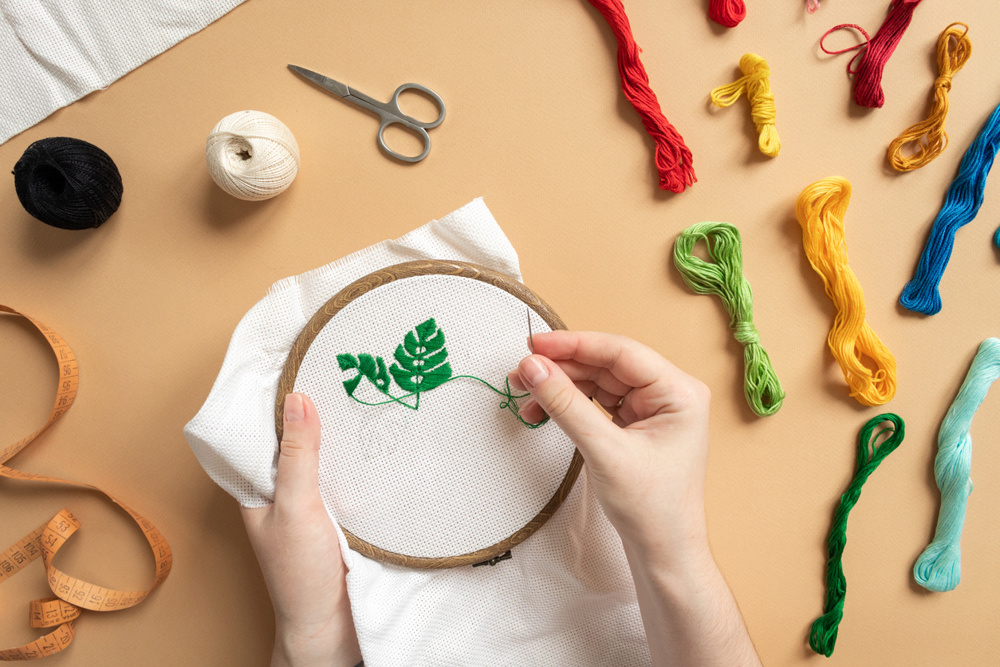
- Crocheting and figurine painting have shifted from vintage gaming-adjacent pastimes into Instagrammable, mentally rewarding mainstream hobbies.
- HYROX fitness competitions are projected to reach 1.3 million global participants by 2026, transforming solitary gym culture into massive community events.
- Hot Girl Walks turned urban foraging-style mindfulness into a low-barrier wellness movement requiring nothing but shoes and a podcast.
These aren't accidents — they're hobbies that delivered community, identity, and shareable moments simultaneously. Pilates has followed the same trajectory, with its reputation for posture and movement changes drawing in people who never considered themselves athletic in the first place.
How Low-Barrier Hobbies Accelerate Trend Adoption
Not all hobbies scale at the same rate. Those with low barriers to entry tend to spread much faster because they require minimal time, cost, or expertise, making them immediately accessible to a wide audience.
Walking, basic crafting, and simple fitness routines can be adopted almost instantly. There’s no steep learning curve, no expensive equipment, and no gatekeeping knowledge required. This removes friction at the entry point—people don’t have to commit before trying, which makes participation feel casual and inviting rather than demanding. The easier something is to start, the more likely it is to spread.
Low-barrier hobbies also lend themselves to repetition, which is crucial for visibility. A daily walk, a quick DIY project, or a short workout can be easily documented and shared across platforms. This creates a continuous stream of content that reinforces the trend’s presence. As more people participate, the hobby begins to feel normalized—not because everyone is doing it, but because it’s constantly visible.
What Happens When Niche Becomes Mainstream
When a niche hobby reaches mainstream visibility, it doesn’t simply grow—it transforms. Increased attention brings new participants, new interpretations, and often a shift in how the hobby is understood and practiced.
One of the first changes is simplification. As more people engage with the hobby, its most accessible elements are emphasized. Complex techniques are streamlined, and the focus shifts toward what is easiest to replicate. This makes the hobby more inclusive, but it can also flatten its depth, reducing nuanced practices into simplified trends.
There is also a shift in meaning. Insider language, shared references, and subtle cultural signals that once defined the community may lose their specificity as they spread to wider audiences. What was once an identity marker becomes a general trend, recognized but not always fully understood.
Conclusion
Niche hobbies don’t just influence pop culture—they redefine how it forms. Instead of top-down trends driven by media and institutions, culture now grows from the ground up, shaped by communities, creators, and shared experiences. What begins as a small group of people with a shared interest can evolve into something much larger, not because it was designed to, but because it resonated.
Looking ahead, this pattern is unlikely to slow down. If anything, it will accelerate. As platforms continue to prioritize engagement and communities continue to seek belonging, niche spaces will remain the starting point for the next wave of cultural trends. What feels small today may already be on its way to becoming the next big thing.