Interesting Facts About the Most Popular Hobbies in the World

The world’s most popular hobbies are quietly powering a massive global economy while reshaping how people spend their time and define their identities. What might seem like simple pastimes—gardening, gaming, camping—are actually part of much larger cultural and economic systems. With gardening reaching 55% of households and gaming generating $188.8 billion globally, hobbies are no longer just personal—they’re collective movements.
This shift reflects a broader change in priorities. People are increasingly seeking activities that offer relaxation, connection, and meaning rather than competition or achievement. Whether it’s learning a craft, exploring nature, or joining an online gaming community, hobbies now sit at the intersection of lifestyle, culture, and economy. The numbers tell one story, but the behavior behind them reveals something deeper.
The World's Most Popular Hobbies Right Now
Whether you're into hands-on creativity, outdoor adventures, or friendly competition, today's most popular hobbies reflect a clear shift toward low-pressure, community-driven activities that prioritize well-being over achievement. Hiking tops outdoor preferences, while gardening, fishing, and camping attract millions seeking nature-based stress relief.
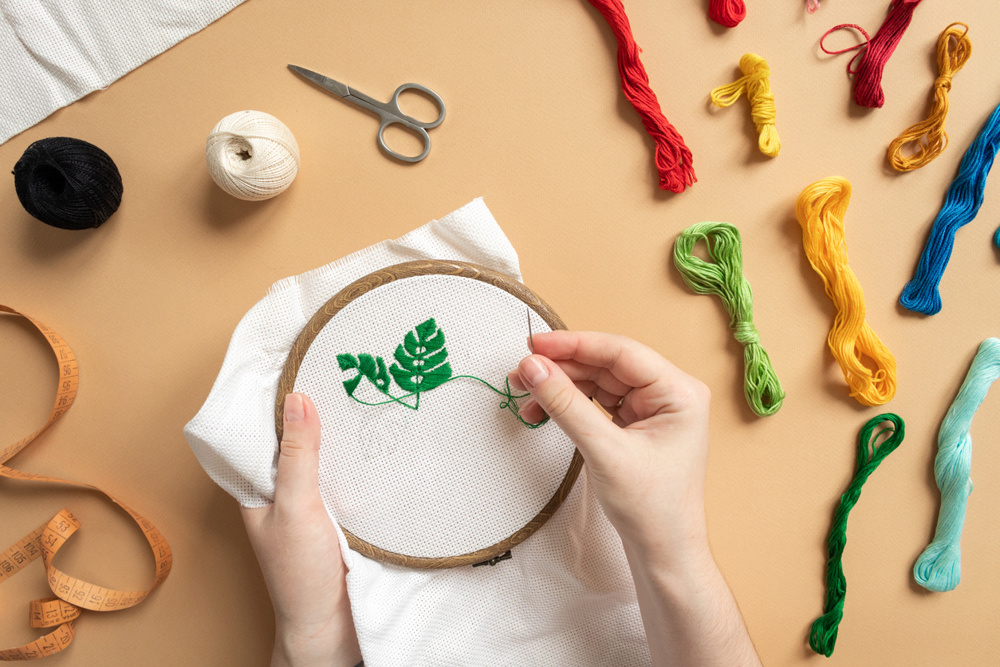
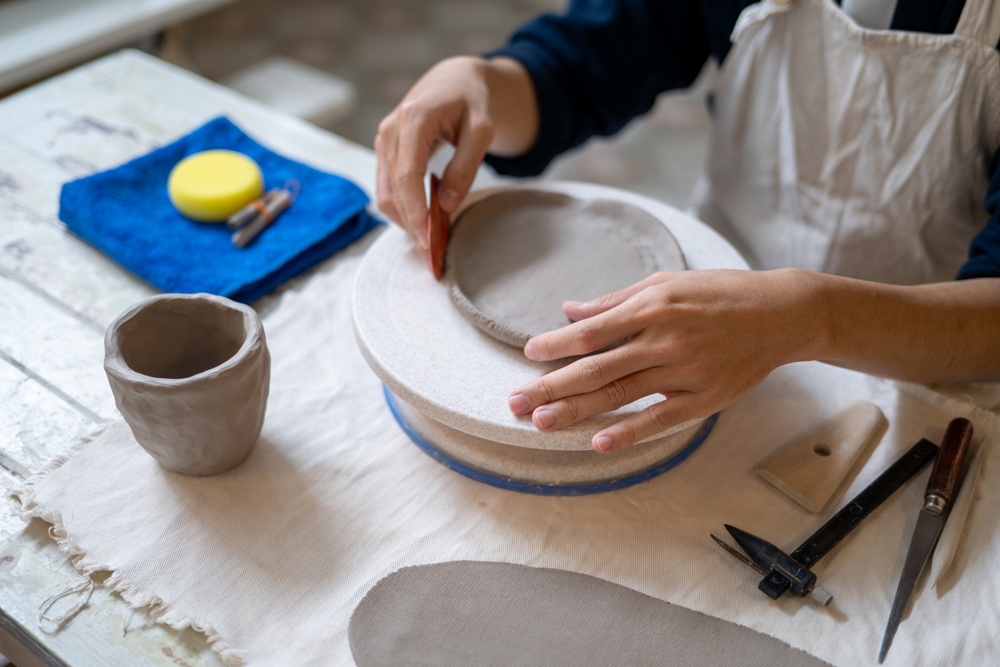
Creative pursuits like pottery, urban sketching, and film photography continue gaining devoted followers, with 65% of Americans engaging in at least one creative hobby in 2023. DIY crafts represent the fastest-growing creative segment, fueled by sustainability interests.
On the competitive side, pickleball has grown 42% year-over-year for three consecutive years, proving that accessibility beats intensity. Across every category, you'll notice the same pattern: people aren't chasing trophies — they're chasing connection, calm, and genuine enjoyment. The sport has become especially popular among older adults, with retirement communities increasingly adding pickleball courts to their amenities and marketing materials.
The Global Hobby Industry Is Bigger Than Most People Realize
Behind these everyday activities is an industry of enormous scale. The global handicraft market alone exceeds $1 trillion, with continued growth driven by DIY culture, sustainability, and online marketplaces. What seems like a personal purchase—yarn, paint, or tools—is part of a complex supply chain connecting global manufacturing to local creativity.
This economic footprint extends across multiple sectors. Photography equipment, musical instruments, gaming platforms, and outdoor gear all contribute to a vast ecosystem that supports hobby participation. In the United States alone, the online craft supply industry is worth over $25 billion, supported by thousands of businesses competing in a growing digital marketplace.
What makes this industry unique is its accessibility. Unlike traditional markets dominated by large corporations, the hobby economy includes millions of small-scale creators and entrepreneurs. Platforms like Etsy and TikTok allow individuals to turn hobbies into income streams, blurring the line between consumer and producer. Participating in a hobby today often means participating in an economy.
Camping's Massive Comeback: The Surprising Numbers Behind It
Camping has quietly transformed from a niche pastime into one of America's most dominant leisure activities — and the numbers prove it. In 2025, 82.4 million Americans went camping — the second-highest total ever recorded, just behind 2023's all-time peak of 84.8 million. That's roughly 25% of the entire U.S. population hitting the outdoors.
The market reflects this enthusiasm, valued at $40.92 billion in 2026 and projected to reach $68.17 billion by 2036. Gear innovation is driving RV adoption and smarter equipment, while community building remains camping's strongest pull — 85% of campers regularly meet new people, and 73% have received kindness from strangers.
With 2.6 million first-timers joining in 2025 alone, camping's growth isn't slowing down anytime soon. In fact, 82% of travelers say that desire for connection will significantly shape their 2026 travel plans, signaling that the social dimension of camping is becoming just as important as the outdoor experience itself.

Why Pickleball Grew Faster Than Any Other Sport
Pickleball’s explosive growth highlights how accessibility drives participation. With simple rules, minimal equipment, and a low physical barrier, the sport allows people of all ages to join quickly. This ease of entry has made it one of the fastest-growing sports in recent history.
Demographics have also shifted. While pickleball was once associated with older adults, it now attracts a younger audience, particularly those looking for social, low-pressure activities. The sport’s design encourages interaction, making it as much about connection as competition.
Infrastructure has expanded rapidly to meet demand, with new courts appearing across communities. This growth reinforces a key trend: hobbies that prioritize inclusivity and social engagement are more likely to scale quickly and sustain long-term popularity.
Step deeper into the world of hobbies with more fascinating facts and trivia.
Arts and Crafts: A $43 Billion Market Driving Creative Hobbies
Arts and crafts aren’t just a pastime — it's a booming global industry valued at $47.35 billion in 2025 and projected to hit $67.39 billion by 2030. Whether you paint, sew, or sculpt, you're part of a market growing at a 7.4% annual rate.
Several forces are fueling this surge. You'll notice more crafters reaching for sustainable materials like recycled and upcycled supplies, reflecting a broader shift toward eco-conscious hobbies. Virtual workshops have also made learning new skills more accessible than ever, removing geographic barriers entirely.
North America leads the market with a 40% share, while Asia Pacific is catching up fast at 7.5% annual growth. Rising demand for personalized, handmade products keeps this creative industry thriving worldwide. In 2025, Plaid Enterprises acquired Arteza to expand its reach into premium fine art supplies and strengthen both digital and retail presence.
Why Gardening and Cooking Still Top Every Traditional Hobby List
Gardening and cooking remain among the most enduring hobbies because they fulfill both practical and emotional needs. Gardening connects people to nature, reduces stress, and provides a sense of accomplishment through growth and care. Cooking complements this by turning those results into something tangible and rewarding.
These hobbies also align with broader lifestyle trends. Interest in sustainability, self-sufficiency, and health has increased participation, particularly among younger generations. Growing your own food or preparing meals at home offers both control and creativity.
Their longevity comes from adaptability. Whether you have a backyard or a small apartment, these activities can be adjusted to fit your environment. This flexibility ensures their continued relevance across different lifestyles and generations.
Gaming's Global Reach: Board Games, Mobile, and VR by the Numbers
Gaming has exploded into a $188.8 billion global industry in 2025, and the numbers behind its growth are staggering. You're looking at a market that's grown nearly 5x since 2000, with mobile purchases alone projected at $130 billion. Cloud gaming is racing toward $18.3 billion by 2030, up from just $1.4 billion in 2025.
Creator payouts are reshaping how games generate value, with Roblox and Fortnite together distributing over $1.5 billion to creators in 2025. Roblox now averages 150 million daily active users, tripling its base since 2020. China drives 38% of global industry growth, while U.S. spending hit $60.7 billion.
Whether you play mobile, console, or PC, you're participating in the world's fastest-growing entertainment sector. Despite this explosive growth, investment in new content as a share of net revenue sits at a seven-year low in 2025, revealing deep tensions beneath the industry's record-breaking headlines.
The Fastest-Growing Hobby Trends to Watch in 2025
Whether you're picking up a paddle, a crochet hook, or a model kit, 2025's fastest-growing hobbies share a common thread: they push back against digital fatigue. From microfiber weaving to urban foraging, people crave tangible, rewarding experiences. A recent survey of 1,500 young people across the U.S. and Canada confirms that hobby engagement remains a defining feature of Gen Z and Millennial daily life.
Three trends defining 2025's hobby landscape:
- Pickleball keeps breaking age barriers, attracting younger players through simple rules and low equipment costs.
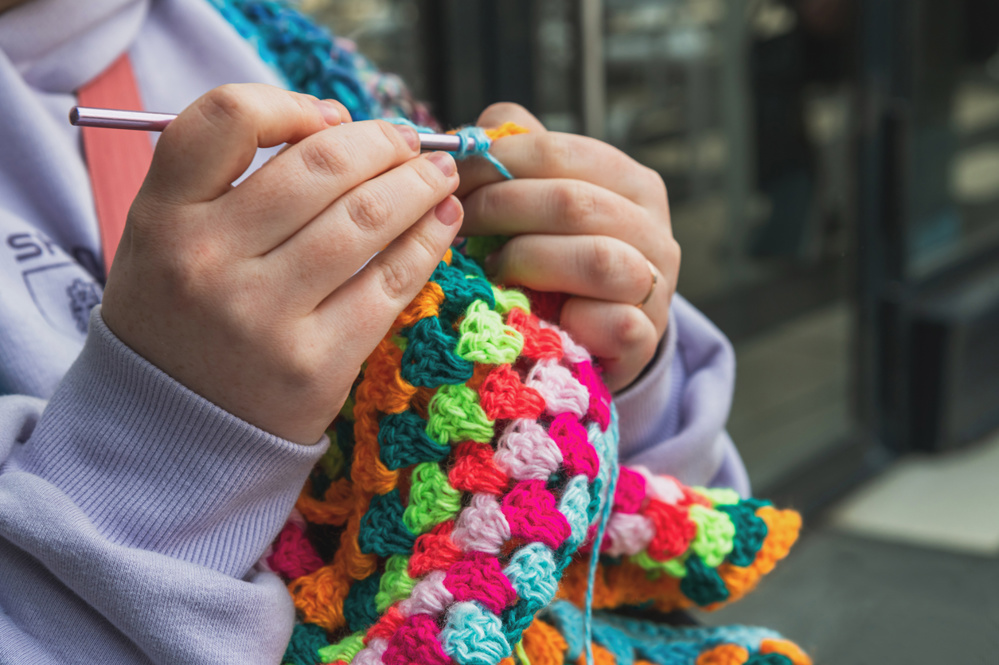
- Crochet and knitting empower Gen Z creators to self-express, gift meaningfully, and monetize through Etsy and TikTok.
- STEM-driven hobbies like model rocketry blend hands-on building with real physics education, while model kits reward patience and focused assembly.
Each trend reflects a cultural hunger for screen-free engagement, creative ownership, and skills that produce something you can actually hold.
How Social Media Continues to Shape Global Hobby Trends
Social media remains one of the most powerful forces driving hobby popularity, fundamentally changing how people discover and engage with new activities. Platforms like TikTok, Instagram, and YouTube serve as constant streams of inspiration, where short, visually engaging content introduces hobbies in ways that feel accessible and unintimidating.
This exposure dramatically accelerates trend cycles. A hobby that once required years to gain traction can now reach mainstream visibility in a matter of weeks. Viral videos, influencer participation, and algorithmic amplification create a feedback loop where engagement fuels further exposure. As more people interact with a hobby online, it becomes more visible, which in turn attracts even more participants.
However, this visibility also reshapes the experience of hobbies themselves. The emphasis on documenting and sharing can shift attention away from the activity and toward its presentation. People may begin to prioritize how a hobby looks online rather than how it feels to practice it. While this can increase creativity and innovation, it can also introduce pressure, turning a personal activity into a performative one shaped by audience expectations.
The Future of Global Hobby Culture
The future of hobby culture will be shaped by its ability to adapt to changing technologies and lifestyles. As digital tools become more advanced, new forms of participation will emerge, blending online and offline experiences. Virtual workshops, AI-assisted creativity, and interactive platforms will continue to expand how people learn and share hobbies, making participation more flexible and globally connected.
At the same time, the core motivations behind hobbies will remain unchanged. People will continue to seek connection, creativity, and a sense of purpose through their activities. Whether through crafting, gaming, or outdoor exploration, hobbies will remain a way to balance the demands of modern life with moments of personal fulfillment and expression.
Ultimately, hobbies are evolving into something larger than individual pastimes. They are becoming cultural frameworks that influence how people interact, create, and define themselves. As these trends continue to develop, hobby culture will not just reflect society—it will actively shape it, influencing everything from social behavior to economic activity.
Conclusion
Hobbies have transformed from simple leisure activities into powerful cultural forces that shape identity, community, and global trends. What people choose to do in their free time now carries meaning far beyond personal enjoyment, influencing how they connect with others and how they participate in larger cultural conversations.
From the rapid spread of trends through social media to the importance of accessibility and the growing economic impact of hobby industries, it’s clear that hobbies are deeply embedded in modern life. They reflect shifting priorities toward well-being, creativity, and connection, offering an alternative to purely productivity-driven lifestyles.