Outdoor Hobbies Perfect for Texas Landscapes
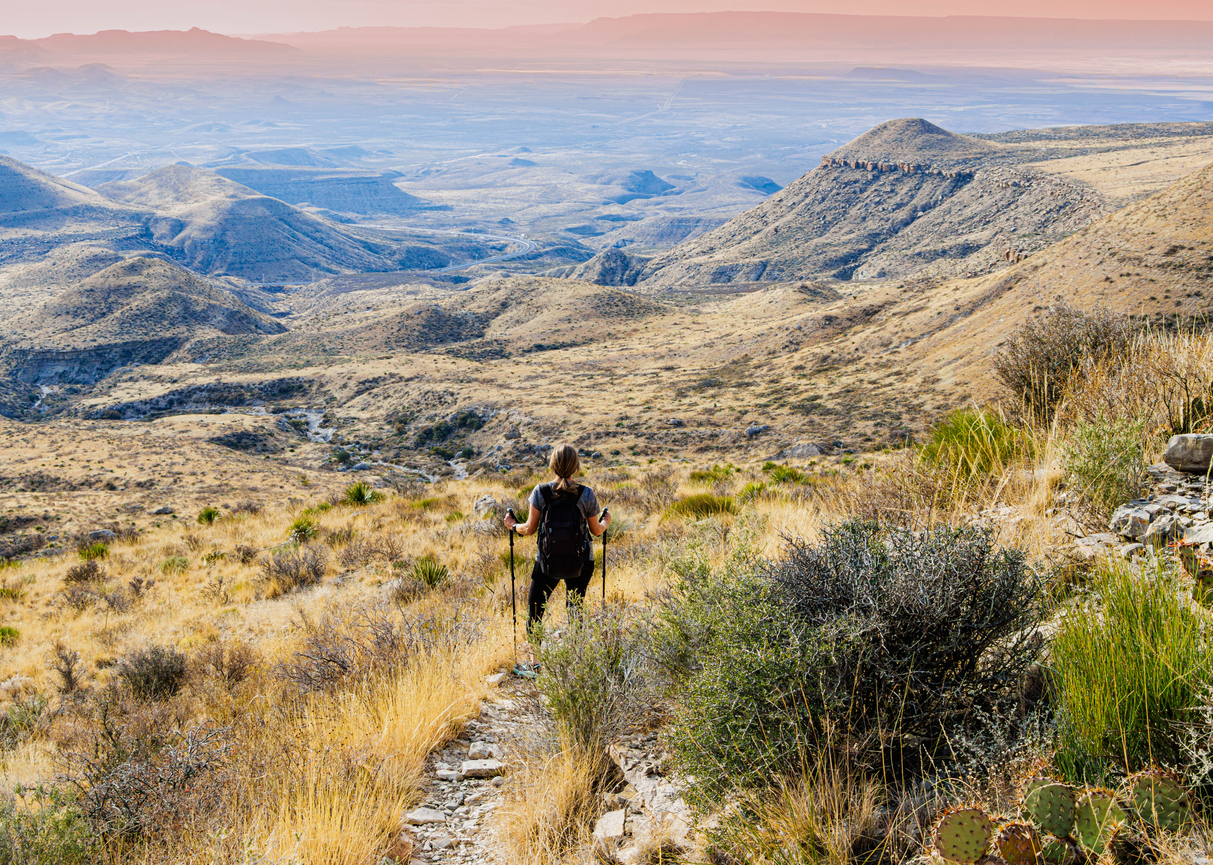
Texas’s diverse landscapes create ideal settings for a wide range of outdoor hobbies, from mountain hiking in the far west to paddling through cypress wetlands in the east. You can climb Guadalupe Peak, the highest point in Texas at 8,751 feet, explore the scenic granite dome at Enchanted Rock State Natural Area, or paddle through the maze-like waterways of Caddo Lake, one of the state’s only naturally formed lakes.
Outdoor enthusiasts also enjoy mountain biking in the Franklin Mountains, horseback riding through Palo Duro Canyon State Park, and wildlife watching across Texas’s many refuges and preserves. Whether you prefer rugged desert adventures or quiet wetlands exploration, Texas offers outdoor hobbies suited to every skill level and interest.
Hike Guadalupe Peak and Explore Palo Duro Canyon
For hikers seeking dramatic landscapes, Guadalupe Mountains National Park and Palo Duro Canyon State Park offer two of the most memorable outdoor experiences in Texas.
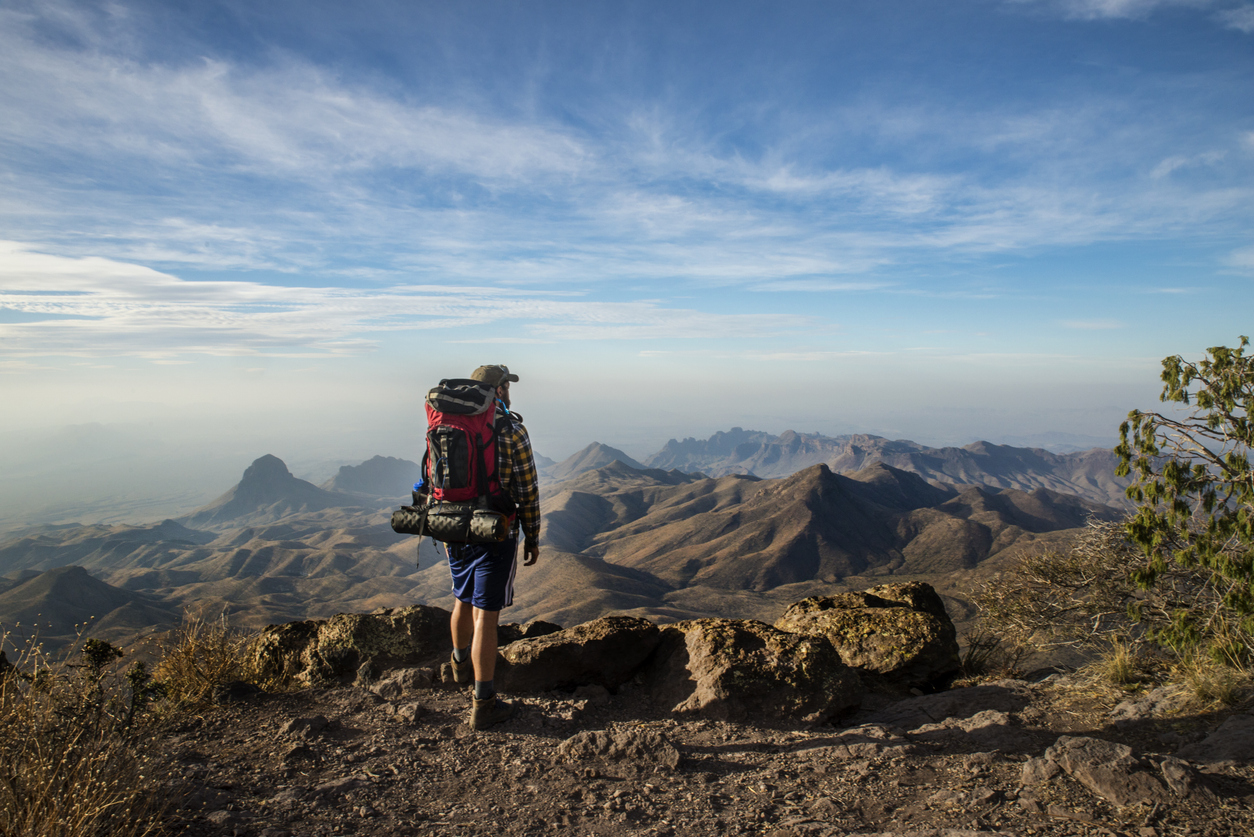
The Guadalupe Peak Trail is an 8.4-mile round-trip hike that climbs roughly 3,000 feet from the Pine Springs Trailhead to the summit at 8,751 feet above sea level, the highest natural point in Texas. The trail winds through desert scrub, juniper forests, and limestone ridges before reaching the summit marker. From the top, hikers enjoy sweeping views across the Chihuahuan Desert and neighboring peaks including El Capitan.
Trailhead facilities include restrooms, picnic areas, and interpretive signage. Visitors should carry plenty of water because no reliable water sources exist along the trail, and strong winds are common near the summit.
In the Texas Panhandle, Palo Duro Canyon State Park offers a different hiking environment. Often called the second-largest canyon in the United States, the park features more than 30 miles of hiking, biking, and equestrian trails that descend into colorful canyon formations carved by the Prairie Dog Town Fork of the Red River.
Paddle Caddo Lake’s Cypress Wetlands
For paddlers, Caddo Lake State Park provides one of the most unique water environments in Texas. The lake spans roughly 25,400 acres across the Texas–Louisiana border and contains extensive wetlands filled with bald cypress trees draped in Spanish moss.
Kayaking and canoeing allow visitors to explore quiet bayous, sloughs, and natural channels formed by Big Cypress Bayou. The region supports rich biodiversity, including hundreds of bird species, turtles, fish, and amphibians.
Caddo Lake is widely considered one of Texas’s best locations for wildlife photography and birdwatching, particularly during migration seasons. Canoe rentals and guided tours are available near the state park and surrounding communities.
Fishing Along the Texas Gulf Coast and Inland Lakes
Fishing is one of the most popular outdoor hobbies in Texas thanks to the state’s vast coastline and freshwater lakes.
Along the Texas Gulf Coast, anglers pursue redfish, speckled trout, flounder, and tarpon in bays and estuaries stretching from Galveston Bay to South Padre Island. Popular access points include jetties, fishing piers, and shallow flats that are ideal for wade fishing or kayak fishing.
Inland lakes also offer outstanding opportunities. Lake Texoma, located on the Texas–Oklahoma border, is famous for its population of striped bass, making it one of the few inland fisheries in the United States where this species naturally reproduces.
Another premier destination is Lake Fork Reservoir in East Texas, widely known as one of the best largemouth bass fishing lakes in the country. The lake has produced numerous trophy catches and regularly attracts professional bass tournaments.
These waters provide year-round opportunities for recreational fishing across the state.
Climb Enchanted Rock’s Granite Dome
Located near Fredericksburg in the Hill Country, Enchanted Rock State Natural Area features one of the most recognizable geological formations in Texas.
The park’s famous pink granite dome rises about 425 feet above the surrounding landscape, and the Summit Trail allows hikers to reach the top in roughly 0.8 miles. The exposed rock surface provides panoramic views of the Hill Country and surrounding ranchlands.
The granite formation is estimated to be over one billion years old, making it one of the oldest exposed rock formations in North America. The park also contains more than 11 miles of hiking trails, rock climbing areas, and designated backcountry campsites.
Due to its popularity, visitors often need reservations during weekends and peak seasons.
Mountain Bike West Texas Trails
Texas offers several excellent destinations for mountain biking, especially in the rugged terrain of West Texas.
Franklin Mountains State Park in El Paso contains more than 100 miles of multi-use trails, many of which are popular with mountain bikers. Riders can explore routes that wind through desert landscapes and rocky ridgelines with sweeping views of the city below.
Davis Mountains State Park provides a smaller but scenic network of trails through higher-elevation desert grasslands and volcanic hills.
For experienced riders seeking a challenge, Big Bend Ranch State Park contains the Fresno-Sauceda Loop, a rugged backcountry route recognized by the International Mountain Bicycling Association (IMBA) as an Epic Trail, known for its remote terrain and technical riding.
Ride Horses Through Palo Duro Canyon
Horseback riding remains one of the most traditional ways to explore the Texas landscape. Palo Duro Canyon State Park offers over 30 miles of designated equestrian trails, allowing riders to travel through canyon floors, mesa tops, and scenic overlooks.
Nearby outfitters such as Old West Stables at Palo Duro Canyon provide guided rides for visitors who do not bring their own horses. Guided tours typically range from one to two hours and follow routes through some of the canyon’s most scenic areas.
Riders bringing their own horses must comply with state park requirements, including providing current Coggins test documentation for equine health.
River Tubing on Texas Hill Country Waterways
Few outdoor hobbies capture the relaxed spirit of Texas summer like river tubing.
The Guadalupe River, flowing through the Hill Country near New Braunfels, is one of the most popular tubing destinations in the state. Visitors float along gentle currents surrounded by limestone cliffs and shaded riverbanks.
Nearby, the Comal River offers a shorter tubing route through the heart of New Braunfels. At just over two miles long, it is one of the shortest navigable rivers in the United States but remains a favorite for casual float trips.
The San Marcos River, spring-fed and crystal clear, provides another scenic option. Tubers, kayakers, and paddleboarders enjoy its consistent water temperatures and abundant wildlife.
These rivers attract thousands of visitors each summer seeking a refreshing way to experience Texas outdoors.
Wildlife Watching Across Texas Preserves
Texas is one of the best states in the country for wildlife viewing and birdwatching.
Along the Gulf Coast, wildlife refuges such as McFaddin National Wildlife Refuge and Texas Point National Wildlife Refuge protect coastal marsh habitats that attract migrating birds each winter.
In Southeast Texas, Gator Country Adventure Park near Beaumont provides close-up viewing of American alligators and other reptiles.
Visitors interested in exotic wildlife experiences can also explore places like Natural Bridge Wildlife Ranch near San Antonio, a large safari-style park where guests observe giraffes, zebras, and other species from their vehicles.
Wetland preserves such as Cattail Marsh Scenic Wetlands & Boardwalk in Beaumont offer boardwalk trails and observation points for birdwatching and photography.
Stargazing in Texas Dark Sky Locations
Texas offers several outstanding locations for stargazing and night sky observation, thanks to its wide open landscapes and remote desert regions.
Big Bend National Park is internationally recognized as a Dark Sky Park, meaning it provides some of the darkest night skies in North America. Visitors can observe thousands of stars, the Milky Way, and seasonal meteor showers with minimal light pollution.
Closer to central Texas cities, Enchanted Rock State Natural Area hosts occasional night sky viewing programs and remains a popular destination for amateur astronomers and photographers.
Clear desert air, high elevations, and minimal development make these areas ideal for experiencing the night sky.
When to Visit West Texas Deserts vs East Texas Wetlands
Texas’s size means climate conditions vary dramatically across regions, which affects the best seasons for outdoor hobbies.
West Texas desert parks, including Big Bend and Guadalupe Mountains, are most comfortable during spring and fall, when temperatures are moderate and hiking conditions are safer.
Summers can bring extreme heat exceeding 100°F, particularly in lower desert elevations. Higher elevations, such as the Chisos Mountains, remain somewhat cooler.
In contrast, East Texas wetlands and coastal habitats are often most enjoyable in fall and winter, when humidity decreases and migratory birds arrive in large numbers.
Understanding these seasonal differences helps visitors plan outdoor activities more safely and comfortably.
What to Pack for Texas Desert Adventures
Outdoor trips in Texas require preparation for rapid weather changes and intense sun exposure.
Hikers and campers should carry at least one gallon of water per person per day, along with electrolyte supplements during hot conditions. Sun protection such as wide-brimmed hats, sunglasses, and high-SPF sunscreen is essential.
Lightweight, moisture-wicking clothing helps regulate body temperature during hot weather, while additional layers are useful for cooler evenings in desert regions.
Navigation tools such as offline trail maps, GPS devices, or mobile apps like AllTrails are helpful in areas with limited cell service.
A small safety kit containing a first-aid kit, emergency blanket, and headlamp can also make outdoor travel safer in remote areas.
Planning Multi-Day Adventures in Big Bend and Guadalupe Mountains
Backpacking trips in Big Bend National Park and Guadalupe Mountains National Park require careful planning due to remote terrain and limited water sources.
The Outer Mountain Loop in Big Bend is a well-known 30-mile backcountry route that typically takes three to four days to complete. Hikers must carry or cache water because natural water sources are limited.
In Guadalupe Mountains National Park, backpackers can explore high-elevation trails leading toward Emory Peak, which rises to 7,825 feet.
Backcountry permits are required for overnight camping in both parks. Visitors should plan conservative daily distances—often 7 to 12 miles per day—and start early in the morning to avoid midday heat.
These parks reward careful preparation with some of the most dramatic landscapes and remote wilderness experiences in Texas.