Fun Hobbies You Can Schedule Into Every Season
Seasonal hobbies are easier to stick with because nature does the motivating for you. In winter, try baking or snow photography. Spring pulls you toward hiking and camping. Summer's extra daylight opens up kayaking, outdoor movies, and evening trail walks. Fall invites pottery, knitting, and scenic hikes through golden foliage. You don't need to reinvent your routine every few months — the right hobbies just shift with the seasons, and there's more to discover ahead.
What Makes Seasonal Hobbies Easier to Stick With
Seasonal hobbies work because they align with both your environment and your internal rhythms. When the weather changes, your energy, mood, and routines shift with it. Instead of resisting that change, seasonal hobbies take advantage of it. Longer daylight hours naturally increase energy levels, while colder months encourage slower, more focused activities.
This creates built-in structure without rigid discipline. Each season acts as a reset point, giving you permission to pause one hobby and transition into another. That sense of renewal prevents burnout and keeps activities feeling fresh. You’re not abandoning habits—you’re cycling through them.
There’s also a psychological benefit. When a hobby feels “right” for the moment—like baking during winter or hiking in spring—you’re more likely to enjoy it and stick with it. This alignment reduces decision fatigue and makes consistency feel natural rather than forced.
Winter Hobbies That Make the Cold Worth It
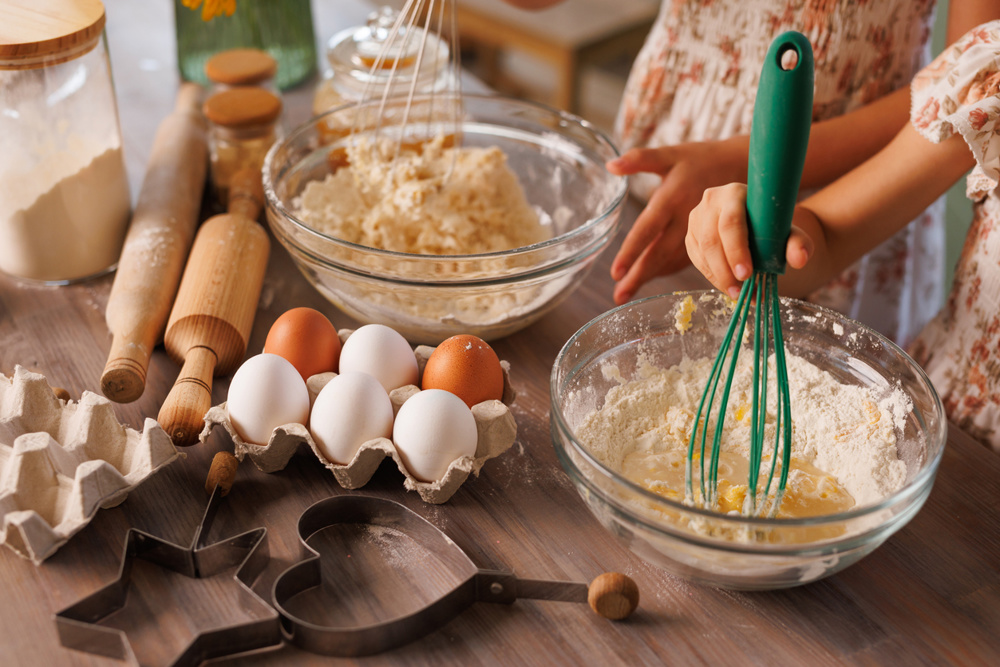
When the temperature drops and daylight shrinks, winter hobbies give the season a sense of purpose rather than something to endure. Cozy baking tops the list at 58% participation, making it the most universally embraced winter activity across all regions and demographics. It demands little effort, no special equipment, and works regardless of weather.
If you prefer stepping outside, snowman building draws 23% of participants and requires zero athletic skill. Snow photography pairs naturally with this, turning frozen landscapes into creative opportunities. Winter festivals attract 26% of people looking for social, cultural engagement beyond their living rooms.
For the more active, sledding leads winter sports at 14%, followed by skiing, snowboarding, and ice skating at 11% each. The Midwest stands out as the most engaged region for outdoor winter activities, with 29% building snowmen and 22% sledding. Whatever your energy level, winter has something worth showing up for.
Spring Hobbies to Get You Moving Outside Again
Spring naturally encourages movement. As temperatures rise and daylight increases, outdoor hobbies become more inviting and accessible. Activities like hiking, biking, and walking require little preparation, making them easy entry points for rebuilding routines after winter.
This is also a season of growth, which makes hobbies like gardening especially appealing. Planting, maintaining, and watching something develop over time adds a sense of progress that feels tied to the environment itself. Even small activities, like tending to houseplants or starting a balcony garden, create that connection.
Social hobbies also return in spring. Picnics, group walks, and outdoor meetups make it easier to combine leisure with connection. After months of indoor isolation, these shared activities feel both refreshing and motivating, reinforcing consistency through enjoyment.
Summer Hobbies That Use the Extra Daylight
Summer stretches daylight to over 15 hours in Philadelphia by the solstice, giving you more time than any other season to get outside and stay out. Hit Valley Forge's 20+ miles of trails after work, or explore Fairmount Park's historic homes and wooded paths. You can try sunset kayaking through the Independence Seaport Museum, gliding along the Delaware River as the sky changes color.
When darkness finally arrives, don't head inside. Join Park After Dark's guided moonlit hikes to spot nocturnal wildlife, or tend a garden under the lunar glow during moonlit gardening sessions. Catch an outdoor movie at Clark Park on Fridays or watch Movies at the Mann with a live orchestra.
Summer's long days give you every excuse to stay out. If you're looking to extend your summer adventures beyond the city, the Northern Outer Banks offers wide beaches and wild horses along a quieter, wilder coastline worth building a day around.
Be sure to create your own custom calendar to keep your hobbies organized all year long.
Fall Hobbies for Cooler Weather and Quieter Weekends
Fall acts as a transition between high-energy summer activities and slower winter routines. Cooler temperatures and shorter days create the perfect environment for balance—still active, but more grounded.
Outdoor hobbies like hiking remain strong, but the pace shifts. Scenic walks, photography, and nature observation become more reflective experiences rather than purely physical ones. The changing colors and atmosphere add a visual and emotional dimension that makes these activities feel distinct.
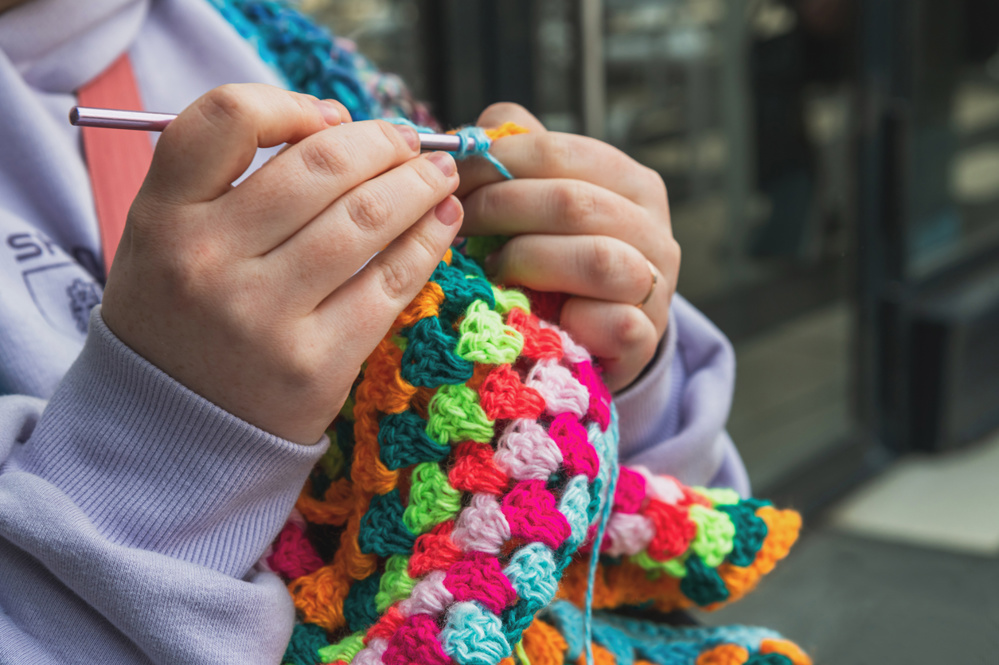
Indoors, creative hobbies begin to take center stage again. Knitting, pottery, baking, and reading align with the season’s quieter tone. Fall invites you to slow down without stopping entirely, making it one of the easiest seasons to maintain consistent engagement.
How to Carry Your Favorite Hobbies Into Every Season
Carrying a beloved hobby across all four seasons often comes down to small adjustments rather than starting over entirely. If you garden in spring and summer, indoor shifts to container planting or seed-starting keep that momentum alive through winter. Cyclists can swap gear through equipment rotation, replacing outdoor rides with stationary alternatives when conditions worsen.
Consistency matters more than you might think. Research across 19 countries links sustained hobby engagement to a 55% reduction in mortality risk, compared to non-engagement. Stopping altogether eliminates those protective benefits almost entirely.
You don't need to reinvent your routine every few months. Cooking, reading, and arts and crafts all adapt easily indoors, and Americans already average over two hours per session on these activities. Small pivots sustain what you've built. Beyond the personal satisfaction of staying consistent, hobby-related product prices for supplies like sewing machines, fabric, and books have actually fallen up to 1.9% year-over-year, making it easier to keep up with your interests across every season.
How to Build a Seasonal Hobby Routine That Actually Works
Building a seasonal hobby routine starts with simplicity, not ambition. Instead of overloading your schedule with multiple activities, choose one or two hobbies per season that genuinely match your energy and environment. Winter might call for something slower and indoor-focused, while summer invites movement and exploration.
Anchoring hobbies to existing habits makes them easier to sustain. When you attach a hobby to something you already do—like taking a walk after work or winding down before bed—it becomes part of your natural rhythm rather than something extra you have to remember. This reduces friction and helps the activity feel automatic over time.
As the seasons cycle, your routine begins to reinforce itself. The return of a season acts as a cue, reminding you of the activities you naturally associate with it. Over time, this builds familiarity and anticipation. Instead of starting from zero each year, you’re returning to something already established, making it easier to stay engaged without needing constant motivation.
The Mental and Physical Benefits of Seasonal Hobbies
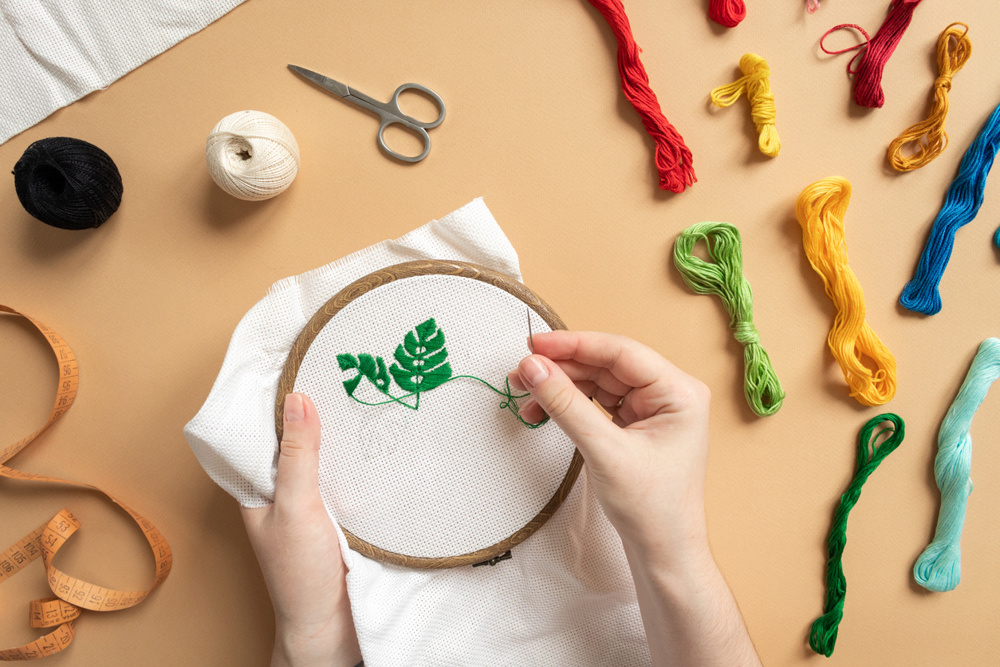
Seasonal hobbies contribute to both physical and mental well-being in ways that feel organic rather than forced. Outdoor activities like hiking, biking, or swimming support cardiovascular health and overall fitness, while indoor creative hobbies—such as painting, baking, or crafting—help reduce stress and improve focus.
The changing nature of seasonal hobbies also prevents burnout. Rotating activities throughout the year keeps your mind engaged and avoids the fatigue that can come from repeating the same routine indefinitely. Each season introduces a different pace and set of challenges, encouraging adaptability and keeping your interest alive.
There’s also a powerful emotional benefit tied to anticipation. Knowing that certain activities are tied to specific times of year gives you something to look forward to. This sense of expectation creates structure and adds meaning to the passage of time. Instead of viewing months as interchangeable, each season becomes distinct, shaped by the experiences you associate with it.
Why Seasonal Hobbies Make Life Feel More Intentional
Seasonal hobbies introduce a sense of rhythm that’s often missing in modern life. Instead of days blending together, each season carries its own identity, marked by specific activities and experiences. This structure makes time feel more meaningful. You begin to associate certain moments with certain activities—winter baking, spring walks, summer evenings, fall creativity. These patterns create memory and continuity.
Ultimately, seasonal hobbies shift your focus from productivity to presence. They encourage you to engage with your environment, your interests, and your time in a more deliberate way. That sense of intention is what makes them not just sustainable, but fulfilling.
Conclusion
Seasonal hobbies offer a simple but powerful framework for staying engaged throughout the year. By aligning your activities with natural rhythms, you reduce the effort required to stay consistent and increase the likelihood that you’ll actually enjoy what you’re doing.
Rather than forcing yourself into rigid routines, you’re allowing your interests to evolve alongside the environment. This flexibility keeps hobbies fresh, relevant, and sustainable over time. In the end, it’s not about doing more—it’s about doing what fits. When your hobbies move with the seasons, they stop feeling like obligations and start becoming part of how you experience life itself.