Eric Edee Explains Why Racquet Sports Remain Popular Among Busy Professionals
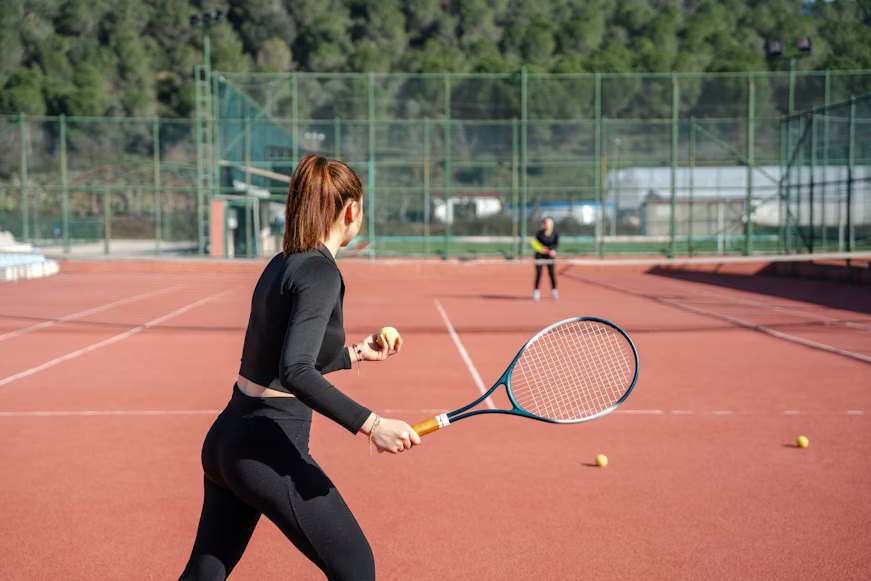
Racquet sports are experiencing a notable resurgence, particularly among professionals seeking a balance between a demanding career and personal wellness. With their adaptability to urban spaces and minimal equipment requirements, racquet sports like tennis, squash, pickleball, and badminton have carved out a niche in the weekday routines of many. From rooftop courts in city centers to informal leagues that double as networking hubs, Eric Edee says that the appeal only continues to grow.
Role of Racquet Sports in Professional Lifestyles
Racquet sports continue to attract working professionals looking to stay active without sacrificing time. Activities like tennis, squash, pickleball, and badminton offer structured, fast-paced games that align well with busy routines. These sports are often seen as a smart solution for those juggling long workdays and limited downtime.
Many professionals view them as a practical way to stay fit, engage socially, and enjoy a mental reset within a single session. The mental discipline required on the court also mirrors the focus demanded in the workplace. In cities across the U.S., racquet sports have become part of the weekday rhythm. It's common to see courts booked early mornings or after office hours, reflecting their seamless fit into tight schedules.
Efficient Use of Time for Busy Schedules
Racquet sports are uniquely suited to the modern professional's calendar. Matches can be played in short bursts—sometimes within 30 minutes—making them ideal for morning routines, quick lunch breaks, or an hour after work. This flexibility keeps players consistent without overwhelming their schedules.
Many urban centers have responded to this demand by offering racquet facilities close to office parks and residential areas. It's not unusual to see squash courts tucked into fitness clubs or tennis courts nestled between high-rise complexes, making it easy to squeeze in a session without a long commute.
Because sessions are compact and don't require large teams or long setup times, racquet sports let professionals stay active without disrupting their workflow. This balance is one of the key reasons the sports continue to grow among those with limited hours to spare.
Health and Wellness Advantages
Beyond the convenience, racquet sports offer a solid workout that blends cardio, strength, and agility. The constant movement, quick reflexes, and directional changes build endurance and coordination, all within a manageable timeframe.
Mental clarity is another underrated benefit. The fast pace demands focus, offering a break from emails, meetings, and screens. Many players report feeling more energized and less stressed after a match. In fact, some use it as a midweek stress reliever to reset their productivity levels.
Unlike long gym sessions or endurance sports, racquet games are efficient in providing physical and mental payoffs. Professionals can maintain their health goals while still keeping pace with their daily responsibilities.
Social and Networking Opportunities
Racquet sports often become informal spaces for connecting with new people. Whether it's doubles tennis on a Saturday morning or a midweek pickleball league, shared court time often leads to meaningful conversation and camaraderie. At racquet clubs and community courts alike, players often run into colleagues, clients, or mentors. The relaxed atmosphere helps break down formal barriers, allowing relationships to grow more naturally.
Accessibility and Broader Appeal
One of the reasons racquet sports continue to flourish is their adaptability to dense urban settings. Courts require far less space than many other athletic facilities, making them easier to integrate into city landscapes. It's common to find rooftop tennis courts or multipurpose pickleball areas nestled between buildings in metropolitan neighborhoods.
Getting started also comes with a low barrier to entry. A basic racquet and a pair of athletic shoes are often enough to begin, which appeals to newcomers and seasoned players alike. This ease of access, combined with growing public investment in court spaces, makes the sports more approachable to a wide demographic. Community programs further reduce the intimidation factor for beginners.
Technology is playing a growing role in how racquet sports are played and shared. Apps that track match stats, schedule games, or connect players locally have made it easier than ever to stay active and engaged. These tools appeal to tech-savvy professionals who appreciate structure and convenience. Some platforms even offer video tutorials and AI-assisted game analysis.
Corporate programs have also started to embrace racquet sports as part of their offerings. By promoting pickleball tournaments or lunchtime squash leagues, companies are encouraging healthier routines while fostering team spirit. The inclusive nature of these sports—welcoming all ages and experience levels—ensures wide participation across departments. It's not unusual for interns and executives to share the same court.